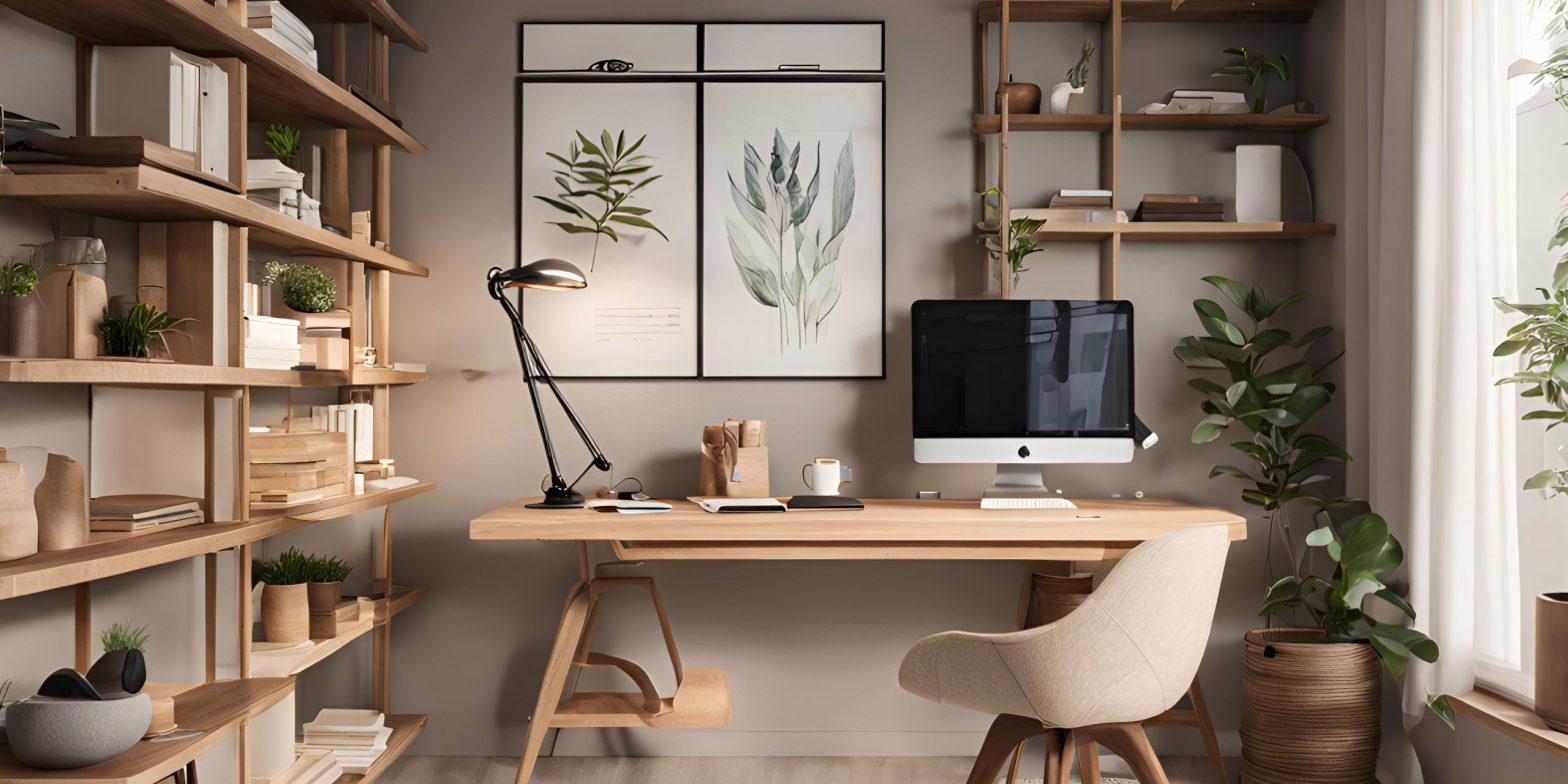
In recent years, the concept of remote work has transformed from a niche benefit to a global norm. Whether you’re a freelancer, entrepreneur, or corporate employee, having a productive home office is more important than ever. A well-designed home workspace not only boosts focus and efficiency but also supports mental well-being and work-life balance.
In this article, we’ll explore how to create an ideal home office—from layout and lighting to furniture, technology, and decor.
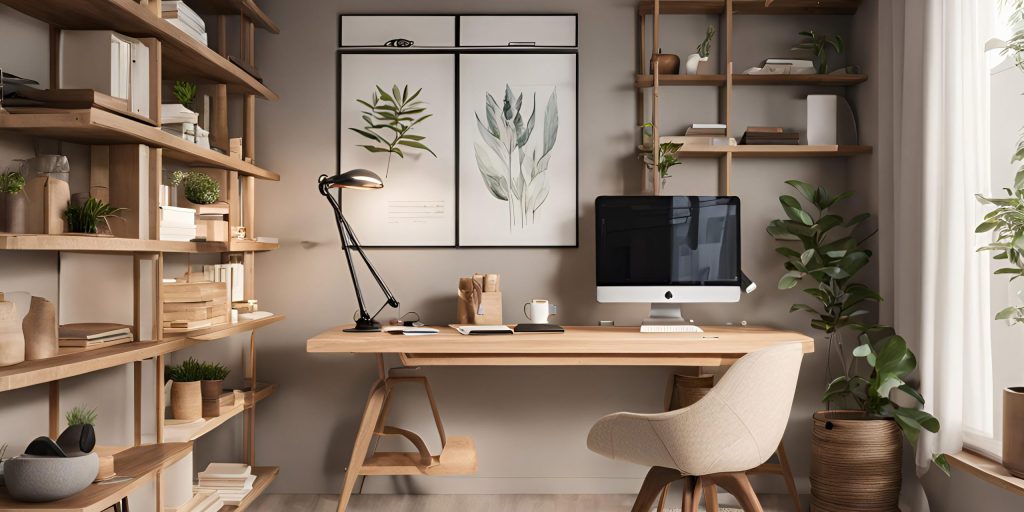
1. Choose the Right Location
Selecting the right spot is the foundation of your home office. Ideally, choose a room or corner with minimal distractions and plenty of natural light. Research by the World Green Building Council (2023) found that access to daylight can improve productivity by up to 18% and reduce eye strain (WorldGBC, 2023).
If space is limited, convert an underused area—such as a hallway nook or a closet—into a micro-office. You can also use foldaway desks and room dividers to separate your work zone from living areas.
Pro Tip: Avoid working from your bedroom, if possible. Keeping work and rest spaces separate helps reinforce boundaries and improves sleep quality.
2. Invest in Ergonomic Furniture
Your chair and desk are not just furniture—they are tools that shape your health and posture. The American Chiropractic Association (2022) stresses the importance of an ergonomic setup to reduce back pain and musculoskeletal injuries (ACA, 2022).
Essentials for an ergonomic workspace:
1. Adjustable chair with lumbar support.
2. Desk height between 70-80 cm (or adjustable standing desk).
3. Screen level at or just below eye level.
4. Keyboard and mouse positioned to keep wrists straight.
3. Optimize Lighting and Reduce Glare
Lighting affects everything from your mood to your alertness. Combine natural light with layered artificial lighting, including a desk lamp with adjustable brightness. Avoid placing your monitor directly in front of or behind a window to reduce glare.
Recommended lighting:
1. Ambient lighting: Overhead ceiling lights.
2. Task lighting: LED desk lamp with color temperature between 4000–5000K.
Accent lighting: Wall sconces or bookshelf lighting for aesthetics.
A study from the University of Twente (2020) found that warm, indirect lighting reduces fatigue during prolonged computer use (Twente University, 2020).
4. Set Up a Reliable Tech Infrastructure
A powerful yet clean tech setup is essential for remote work. Here’s what you’ll need:
1. High-speed internet (min. 25 Mbps for video conferencing).
2. Noise-canceling headphones or a microphone for meetings.
3. Dual monitors for multitasking.
4. Cable management tools like trays and clips to keep wires hidden.
5. Use Storage to Stay Clutter-Free
A cluttered space often leads to a cluttered mind. Use vertical shelving, floating cabinets, drawer organizers, and labeled baskets to keep things tidy. Minimalism helps reduce distractions and supports mental clarity (Clear, 2021).
Keep only what you use daily on your desk, and store the rest. If you’re a paper-heavy worker, consider investing in a compact scanner and going digital where possible.
6. Add Personal Touches for Comfort
Your home office should reflect your style while remaining functional. Add houseplants, artwork, framed inspiration quotes, or even a scent diffuser. According to NASA’s Clean Air Study (1989), houseplants like peace lilies and snake plants improve indoor air quality (NASA, 1989).
Ideas for personalization:
1. Vision boards or whiteboards for goals.
2. Soft textures like rugs or cushions.
3. Wall-mounted decor to save floor space.
Creating the ideal home office is about balance—between comfort and productivity, function and personality. Whether you’re setting up a full room or a simple desk in the corner, thoughtful planning will turn your space into a powerhouse of focus and creativity.